


I remember the first time I heard the word “coaching” used to refer to the sort of coaching we here all know and love, i.e. NOT to do with sports or athletics of any sort.
This new sense of the word “coaching” opened up a whole new world for me. Being the kind of kid who hated phys ed, I was immediately enamored and all too keen to separate out this more “enlightened”, i.e. high-minded and human possibility-centric sense of the word from the more boring, pedestrian one that is some overweight guy in gray sweatpants blowing a whistle and yelling at children to do more pushups.
Yeah, you know the stereotype I’m talking about.
No, this was coaching, the stuff of one human being standing for and supporting the potential of another to fulfill on whatever goals and aspirations, the stuff of life; you know, things that are farther reaching and more lofty than doing a few more reps, running a slightly faster mile, or whatever’s going on at the sports ball field any given Sunday.
When I tell people about my business, I’m quick to clarify which type of coaching my platform was built to serve, lest they imagine the wrong one, a common misconception.
And yet.
Looking back over my eagerness to divorce coaching of the human potential ilk from what goes on in and around a locker room, it seems to me that perhaps the human potential faction has lost (or willingly forgone) a large part of the coaching plot that sports coaches take for granted. I can summarize it in one sentence:
A sports coach gets to say, “Shut up and do the reps”.
For the other kind of coach to say that? Heresy.
At least, according to many definitions and authorities on coaching. And as the kid who sucked at gym class, I’m reflexively right there to call out that sort of talk as barbaric and unenlightened! No, the other kind of coach, it is prevailingly believed, should be there to co-create what sort of reps to do, and ask “How many reps do you think you should do?” To guide the inquiry, and let the client come to an answer on their own.
It’s a matter of the coach having power and authority. (And power with the coachee, mind you, not power over.)
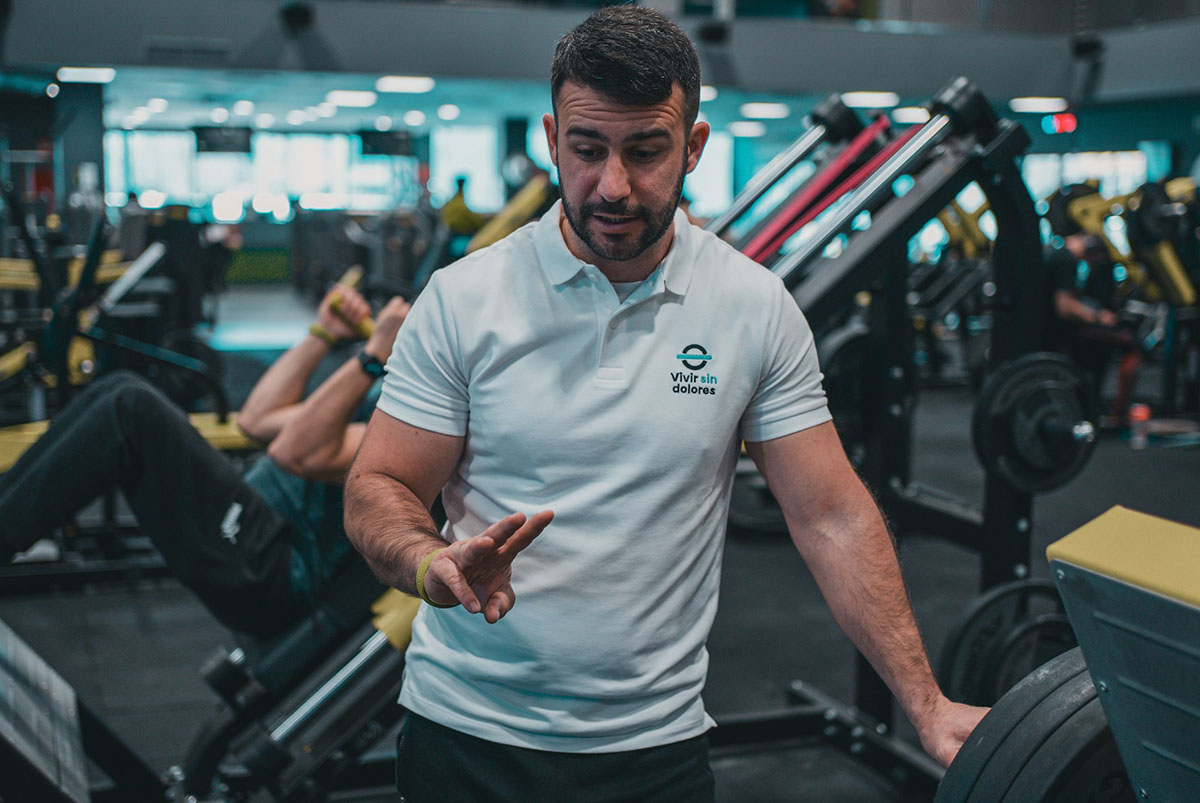
In sports coaching? When you try out for the team and make the cut, or however you end up working with an athletic coach, there’s a shared, implicit, and automatic understanding that you’re then committing to show up to practice and do the work, trusting that coach to have your best interest at heart, and clearly aligned that you’re there to perform powerfully, i.e. playing to win. Coach has authority over the coachee, and power with that coachee because coachee implicitly grants it by being there. Sports coaches by default get the benefit of this foundation of the relationship, and work with it accordingly.
The other kind of coach? Practically cheerfully renounces any sort of power and authority, and does so as virtuous. “I am their partner, and I’m not here to tell them what to do.” “It’s up to them to show up, or not.” “I meet them wherever they are at.”
It is a very sharp departure from the power dynamic that is natural to sports coaching. Whether this departure stems from of the sort of disdain for sports coaching that I have1Or more aptly, disdain that I had. This whole missive is the stuff of me discovering a newfound respect for the things sports coaching really gets right. is immaterial, but it would explain a few things. That desire to look down upon and distance oneself from that kind of coaching would have you exaggeratingly throw away the parts you find distasteful. To be better, to be different, to be more… enlightened. If you hate it when daddy yells at mommy and you tell yourself you’ll never be like that, you’ll start making being NOT like that a (growing) part of your identity. It’s shape your behaviors.
But I’m coming around to realize that the human potential coaching has thrown away some things that sports coaching gets really right. I want a coach who’s more interested that I did the reps than honoring my feelings around why I didn’t. To treat me as capable rather than delicate. To call me out on my bullshit.
In other words, I think there’s room for a (competent) coach who earns the buy-in from clients, up front, to wield a little more authority around the long-term execution. To skillfully and accurately get the picture of what the client is out to achieve, and accordingly, based on that picture and clients’ earned trust, be able to say “Shut up and do the reps”.
You create these things for your client, with their implicit or explicit buy-in. (Clients can create these for themselves, too.) These created things live on well past the session itself, a game plan of things to do, measures to track, targets to hit, and visions to work towards.
When these things exist for both you and your client to see, the reps to be done are clear to see, as with the record of what got done. You have clear purchase to cite both game and the gap.

Notes:
- 1Or more aptly, disdain that I had. This whole missive is the stuff of me discovering a newfound respect for the things sports coaching really gets right.